story
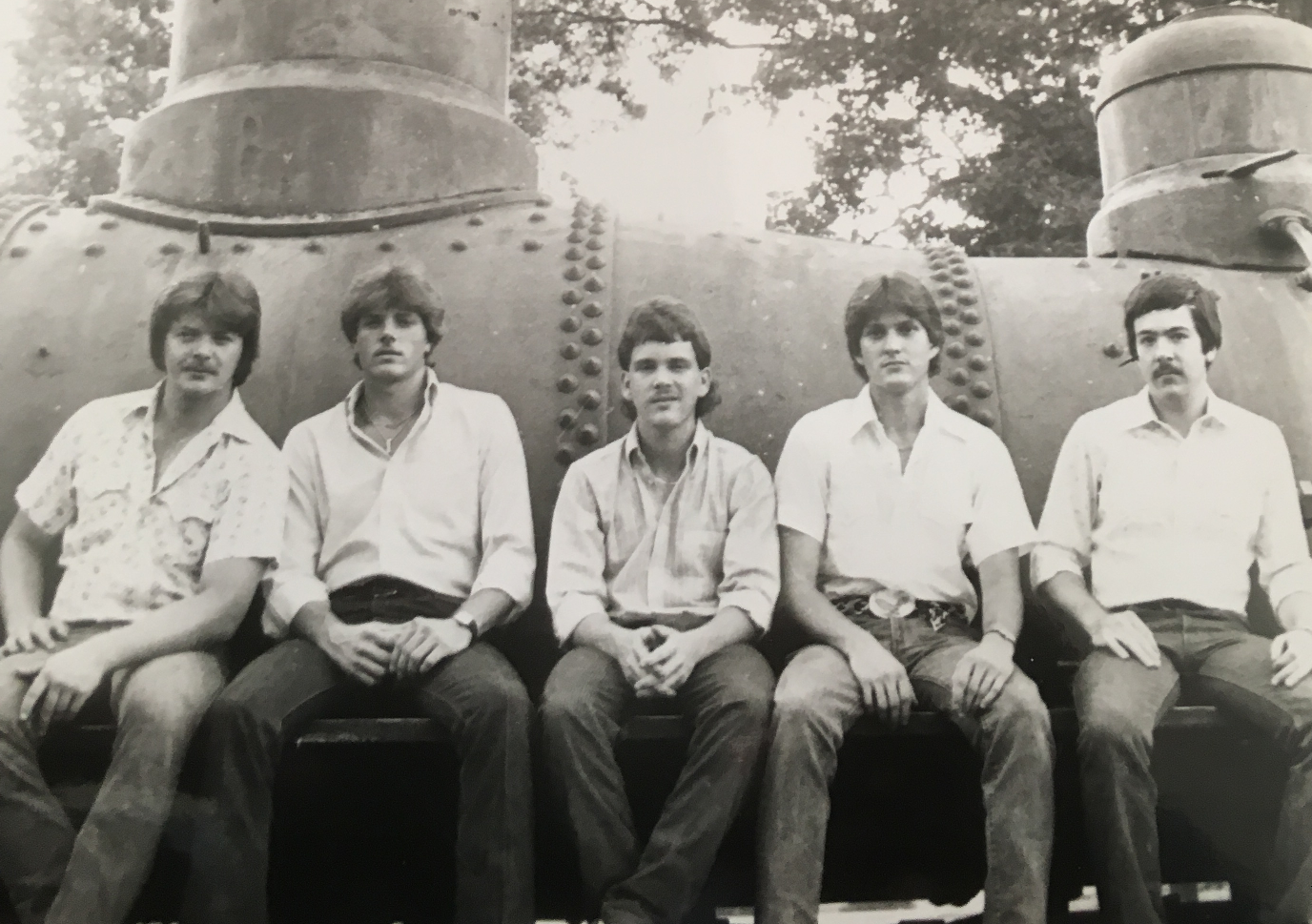
White Lightning came together in the mid-1970s in Warren, Arkansas, right as the progressive country scene and the outlaw country movement were bending the rules of Nashville. The band rode that wave, fusing traditional country roots with the grit of rock, the storytelling of folk, and the confessional edge of the singer-songwriter era.

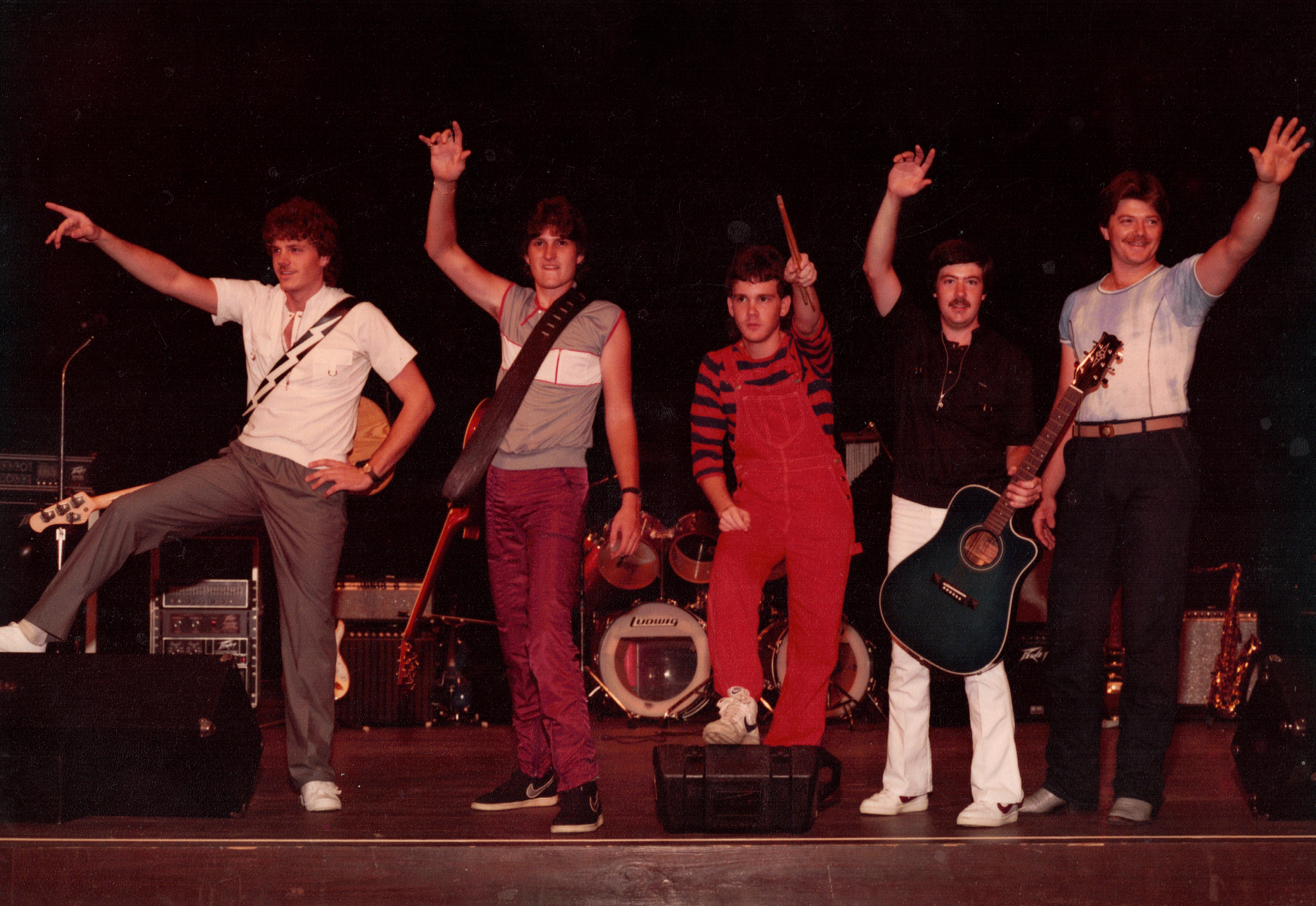
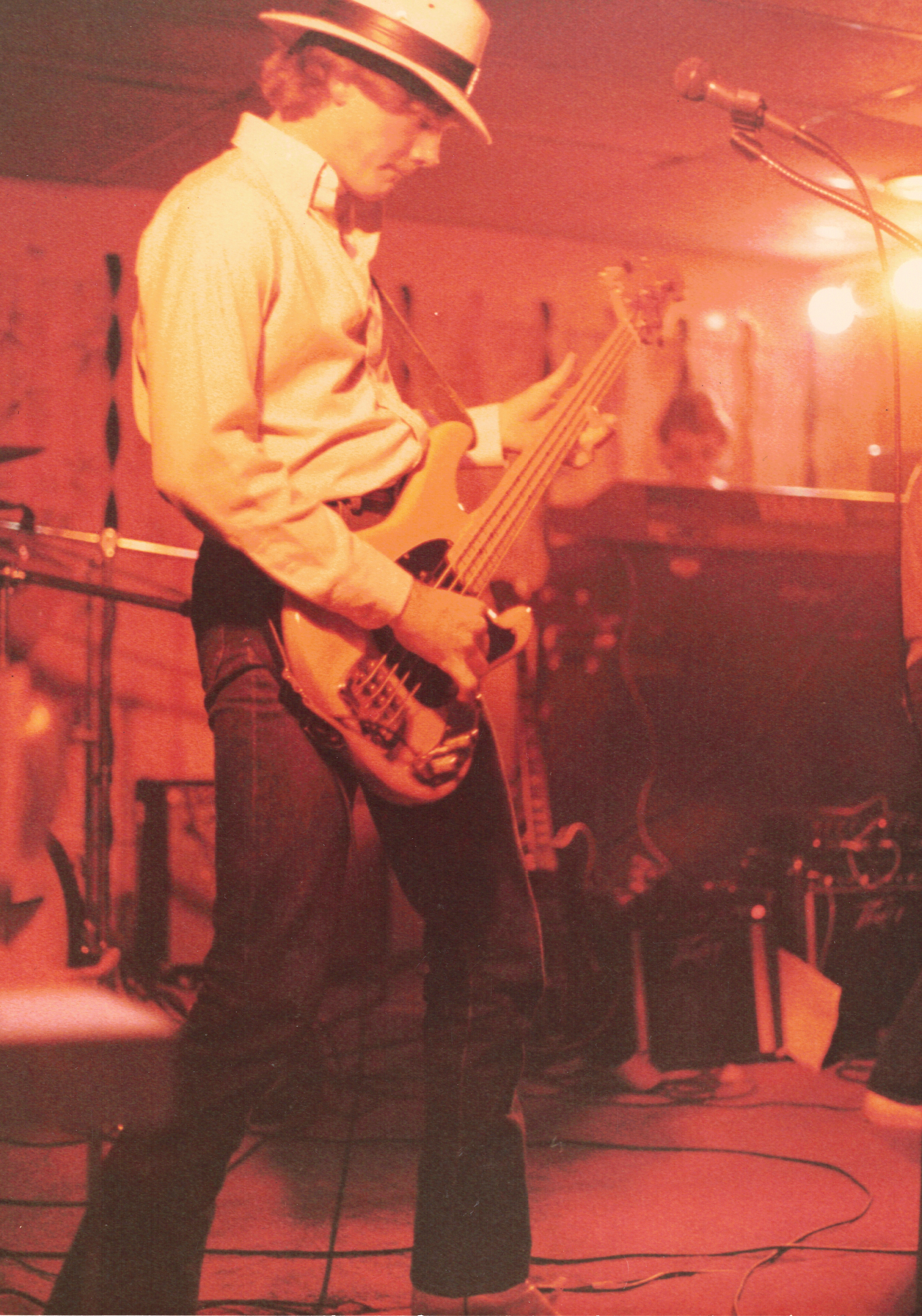
By 1980, White Lightning was all in. The band incorporated, bought a tour bus and a full stack of sound gear, hired a manager and a front-of-house engineer, and took their show on the road. They crisscrossed the South and Midwest (Arkansas, Mississippi, Texas, Louisiana, Missouri, Oklahoma, and Tennessee) playing anywhere that would have them. Their stops ranged from smoky local clubs and sprawling dance halls to statewide festivals and even a handful of stadium stages.

White Lightning called it quits in 1985. Greg pivoted from the road to the classroom, earning an undergraduate degree in marketing and design from the University of Central Arkansas in 1989. Soon after, he moved to Memphis, Tennessee, where he began an MFA in Interactive Multimedia while working at KIVA Recording Studios.
Repertoire
Onstage, White Lightning pulled from a deep well of artists who were shaping the sound of the era. Their setlists moved easily between country, Southern rock, and arena-sized rock ’n’ roll, with covers from heavy hitters like Alabama, Willie Nelson, Waylon Jennings, Pure Prairie League, and the Marshall Tucker Band. They tipped their hats to master songwriters like Townes Van Zandt while also leaning into the swagger of bands such as Dire Straits, the Doobie Brothers, Molly Hatchet, Lynyrd Skynyrd, and ZZ Top.

The band’s repertoire stretched even further, reaching into the harmonies of the Oak Ridge Boys and the Nitty Gritty Dirt Band, the outlaw supergroup grit of the Highwaymen, and the stadium power of the Rolling Stones and Van Halen, plus plenty more that kept dance floors packed and crowds loud well into the night.